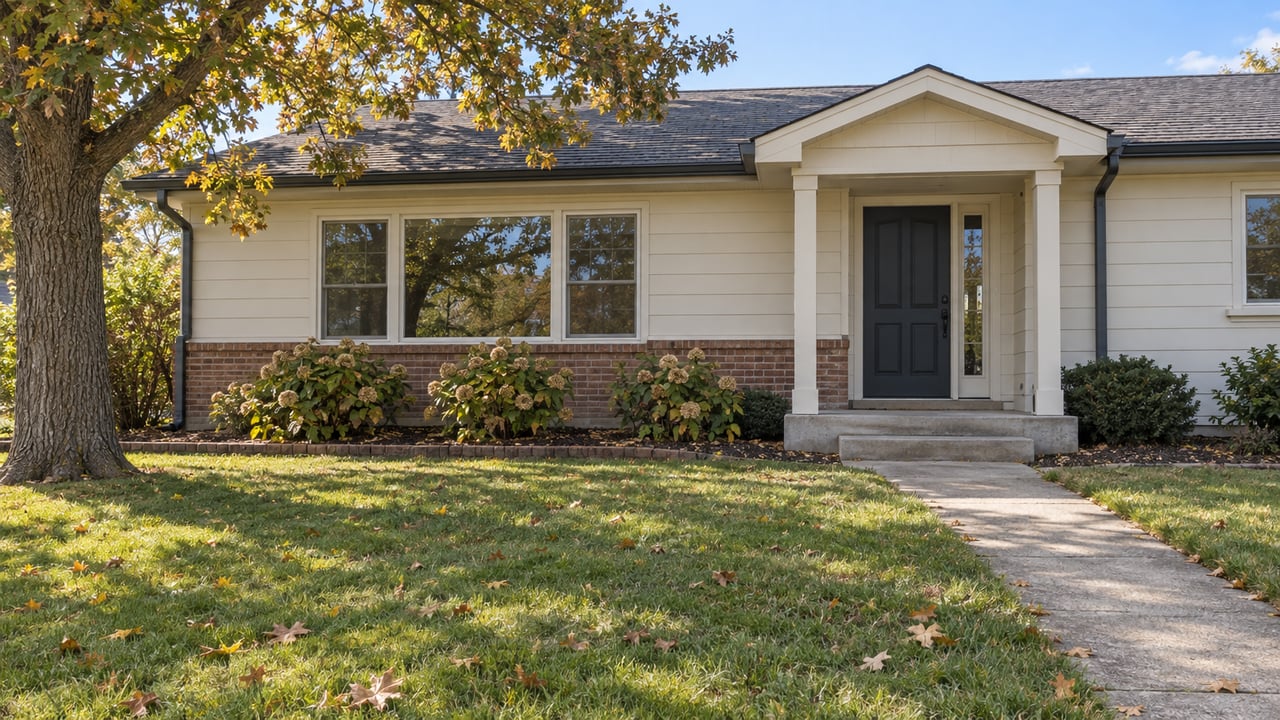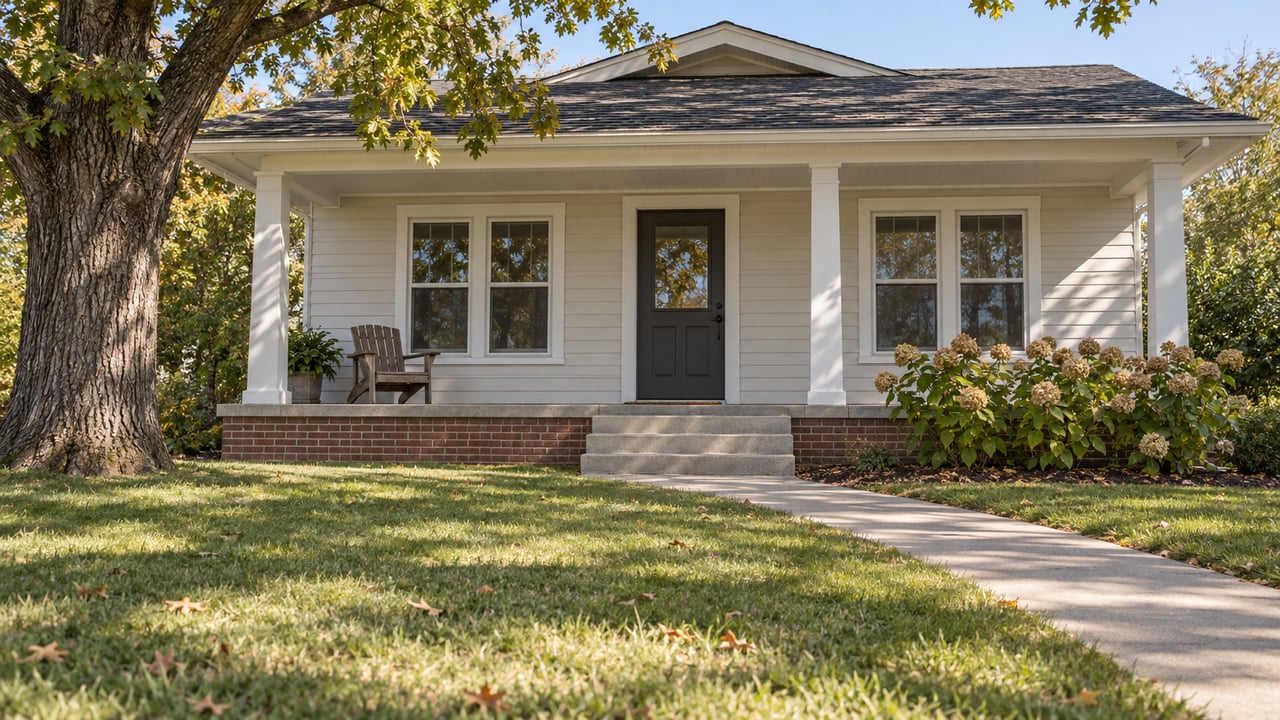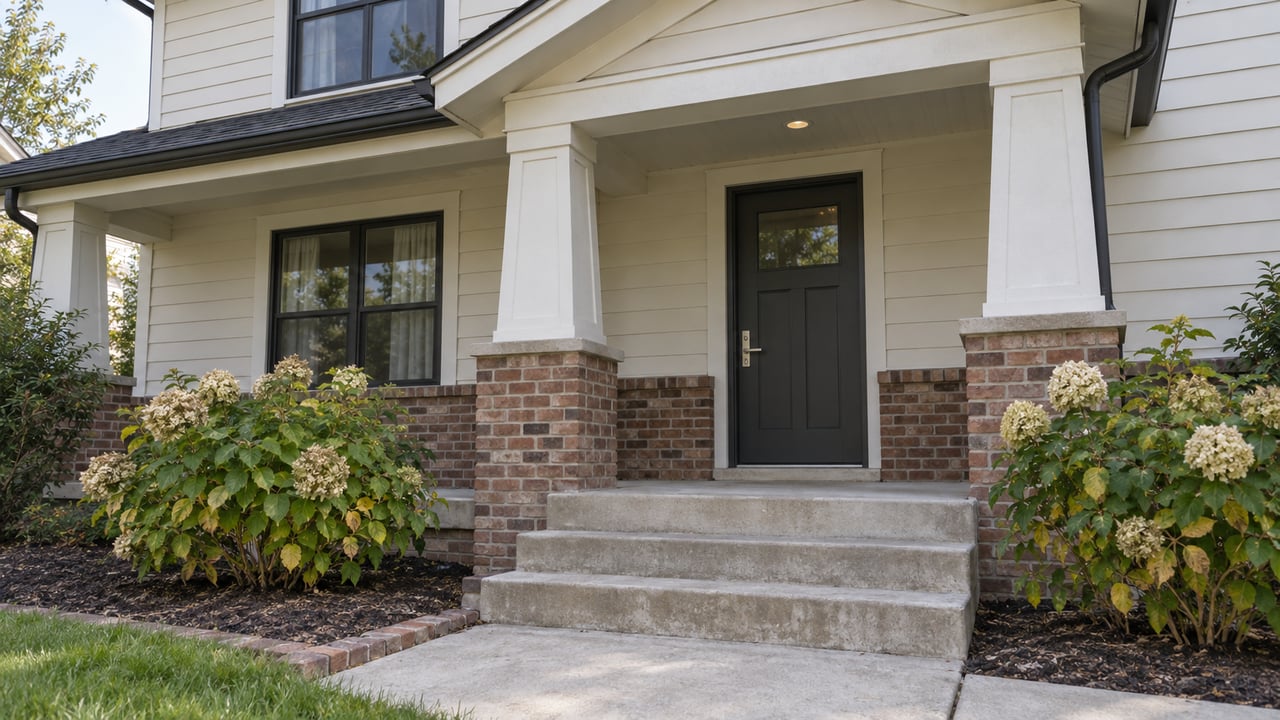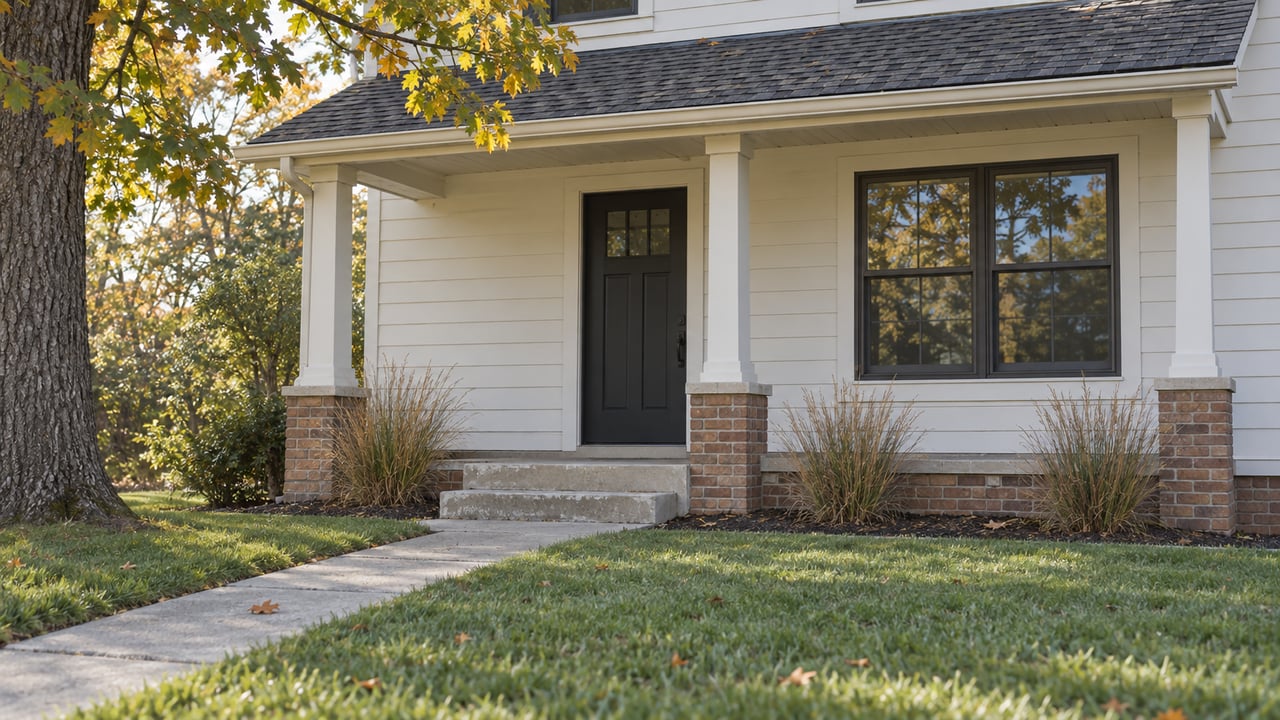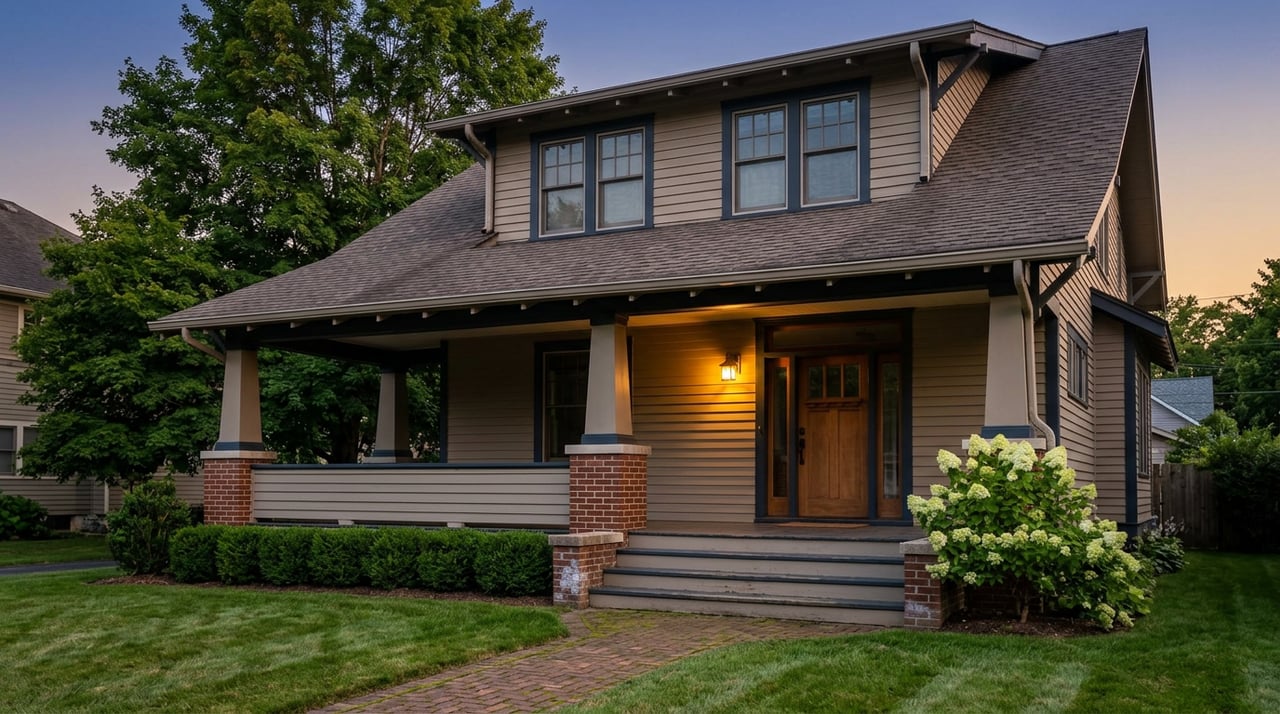
Walk Havelock Avenue on a Wednesday evening in late summer and you will notice the block has a rhythm all its own. Its history helps explain how that rhythm took shape.
The Haymarket Farmers Market takes over 7th and P Street from 8 a.m. to noon, packing the sidewalks with a hundred-plus vendors and a crowd that drives in from every part of the city. Havelock does the opposite. Its market sets up behind the historic business district on a Wednesday, not a weekend, and it has run that way for as long as anyone in the neighborhood can remember. The market's own description calls it a place where "vendors who know your name" sell what you actually like. That description points to familiar customers rather than regional weekend foot traffic.
The Wednesday schedule is one detail in Havelock's longer history within Lincoln.
A town that fought not to become a neighborhood
Havelock started in 1890 as its own place, laid out along the Burlington and Missouri River Railroad, and it incorporated as a town in 1893. By 1900 it had 1,500 people, most of them tied in some way to the Burlington Shops, the rail company's repair and assembly operation that anchored the local economy. When Lincoln spent the 1920s annexing the suburbs around it, Havelock said no.
It took an eight-year strike by workers at the Burlington Shops, the same institution that had built the town's economy in the first place, before residents finally voted to join Lincoln in 1930. That is not a quiet handoff. That is a company town holding out against a bigger city for the better part of a decade, and only folding when its own labor situation left it no other move.
Ninety-six years later, the business district still has a distinct neighborhood character. The shops sit close together along Havelock Avenue. Nothing here is scaled for parking-lot traffic. And the one weekly event that draws the neighborhood out of its houses still happens on a weeknight.
The Joyo's neighborhood-scale character
One example of that neighborhood character sits at 6102 Havelock Avenue. The Joyo Theatre is Lincoln's only independent movie house, a 300-seat single-screen theater that has been run for years by an owner named Dwight, who answers the phone himself when you want to rent the marquee. Fifty dollars gets your name or a birthday message on one side of the sign, with the proceeds going toward restoring it. During football season the Joyo puts the game on the big screen for free. Every October it brings back Rocky Horror. In the summer it runs cheap matinees for kids, and a $200 private birthday rental gets twenty-five kids the run of the whole theater along with popcorn and pop.
The marquee messages, football screenings, seasonal events and birthday rentals give the Joyo a neighborhood-scale character, distinct from the multiplexes on the other side of town.
What is actually within walking distance
If you are timing a Wednesday around the market this fall, the rest of the block gives you a full evening without moving the car. The Engine House Café occupies Havelock's original fire station and serves breakfast all day, Monday through Saturday from 6 a.m. to 1 p.m. and Sunday from 7 a.m. to 1 p.m., which makes it a better fit for a morning stop than an after-market dinner, but worth knowing about if your Wednesday starts early. For the evening itself, the walkable cluster looks something like this:
- Piqued Curiosities, an antiques and gift shop at 6036 Havelock Avenue opened in May 2023 by Robert, an interior designer and theatrical director, worth a slow browse before the market crowd thins out
- Isles Pub and Pizza, known for the Original Leaning Tower of Pizza, a combination of hamburger, pepperoni, pepperoncini, onion, and the house sauces
- Arnold's Tavern, a straightforward neighborhood stop for a drink on the way home
- The Charging Station, a coffee shop for anyone who wants to end the night with something other than a beer
- Mahoney Park, if the kids need to run off the energy from a kettle corn sample before bedtime
None of these are destination businesses in the way Lincoln markets its downtown attractions. They are neighborhood businesses, sized for a neighborhood, and that sizing is exactly why they have lasted.
The clock is real, and it is running out this year
The Havelock Farmers Market runs May through October, which means as of late August there were a handful of Wednesdays left before the season closes for the year. That is not a marketing deadline. It is the actual calendar. Once the season ends, Wednesday evenings return to the neighborhood's regular calendar.
The Havelock Neighborhood Association keeps the rest of the calendar moving in the meantime. It meets the second Saturday of every month at the Victor E. Anderson Branch Library on Touzalin Avenue, and the neighborhood's own paper, the Havelock Herald, covers what the association and its businesses are up to between market nights. Between the two, Havelock has kept something most annexed towns lose within a generation: its own institutional memory, still running on its own schedule, inside a city that absorbed it almost a century ago.
The Wednesday schedule can be read as one visible part of Havelock's distinct identity within a city that absorbed it almost a century ago.
If you already live in Havelock, none of this changes your Wednesday. You will still walk to the market, still know most of the vendors by sight, still end up at the Joyo or Isles depending on what kind of night it is. But it is worth knowing that the Wednesday rhythm is part of Havelock's distinct neighborhood character. The market is one visible part of that character, alongside a history and community life that continue within Lincoln.
If you are weighing a move into Havelock, or wondering what a home here is actually worth given how much the neighborhood's identity is tied up in these few blocks, Randy Ralston has spent years working Lincoln's neighborhoods block by block rather than zip code by zip code. Let's Connect if you want a straight read on what buying or selling in Havelock actually looks like this fall.