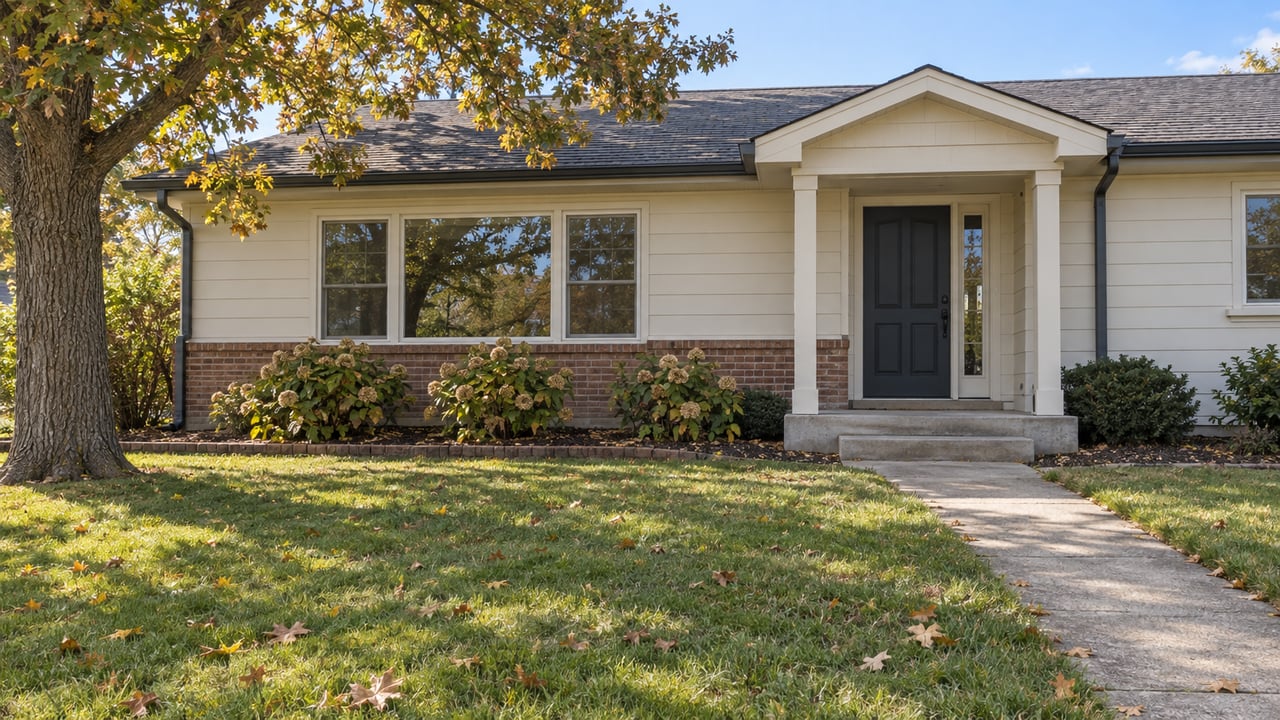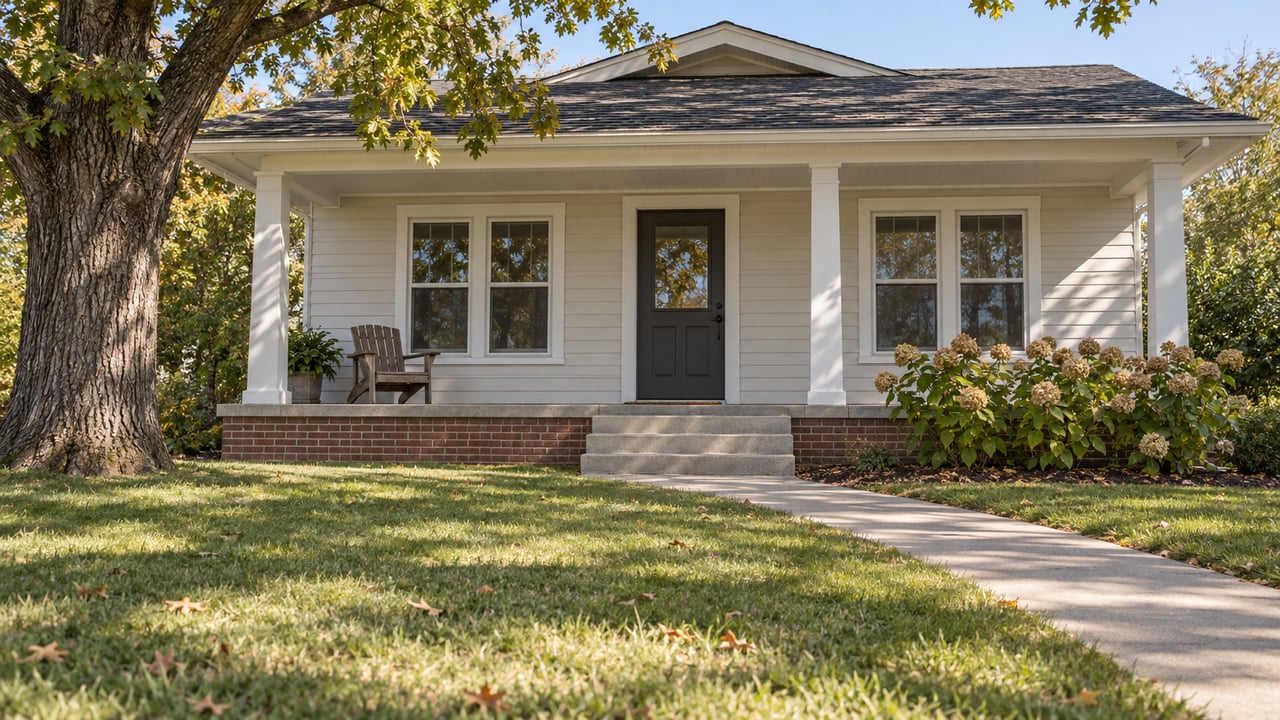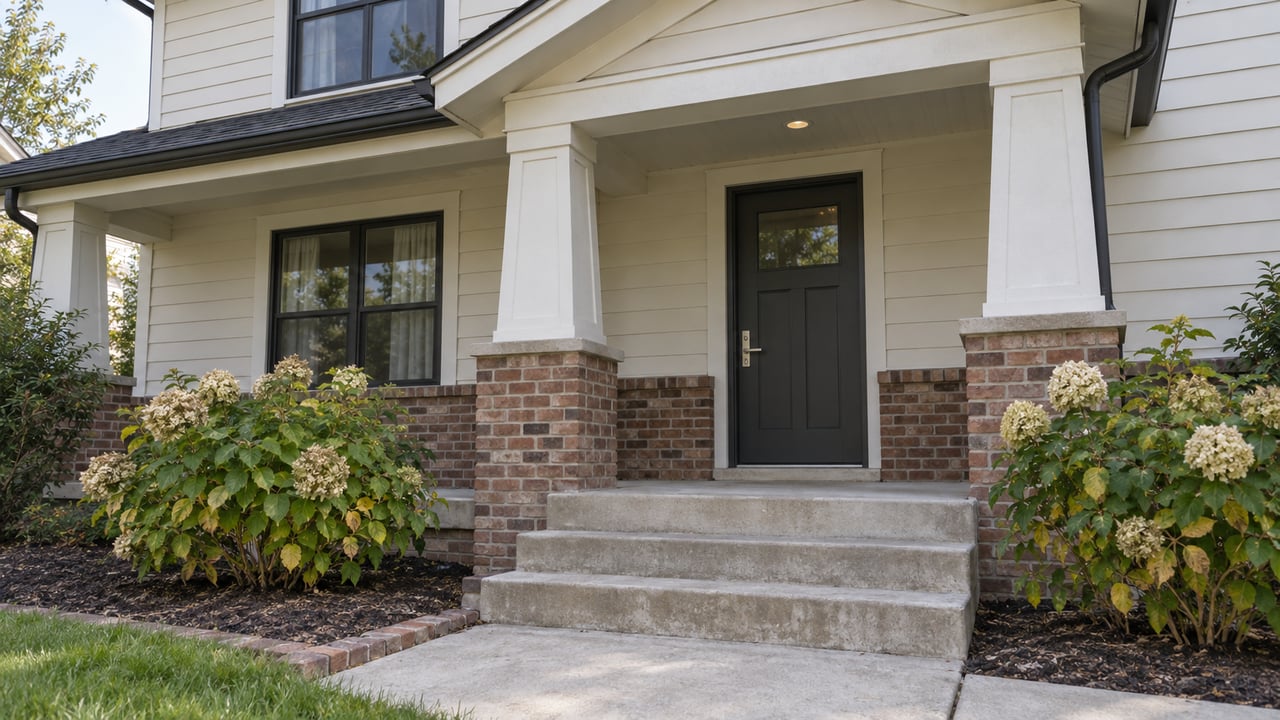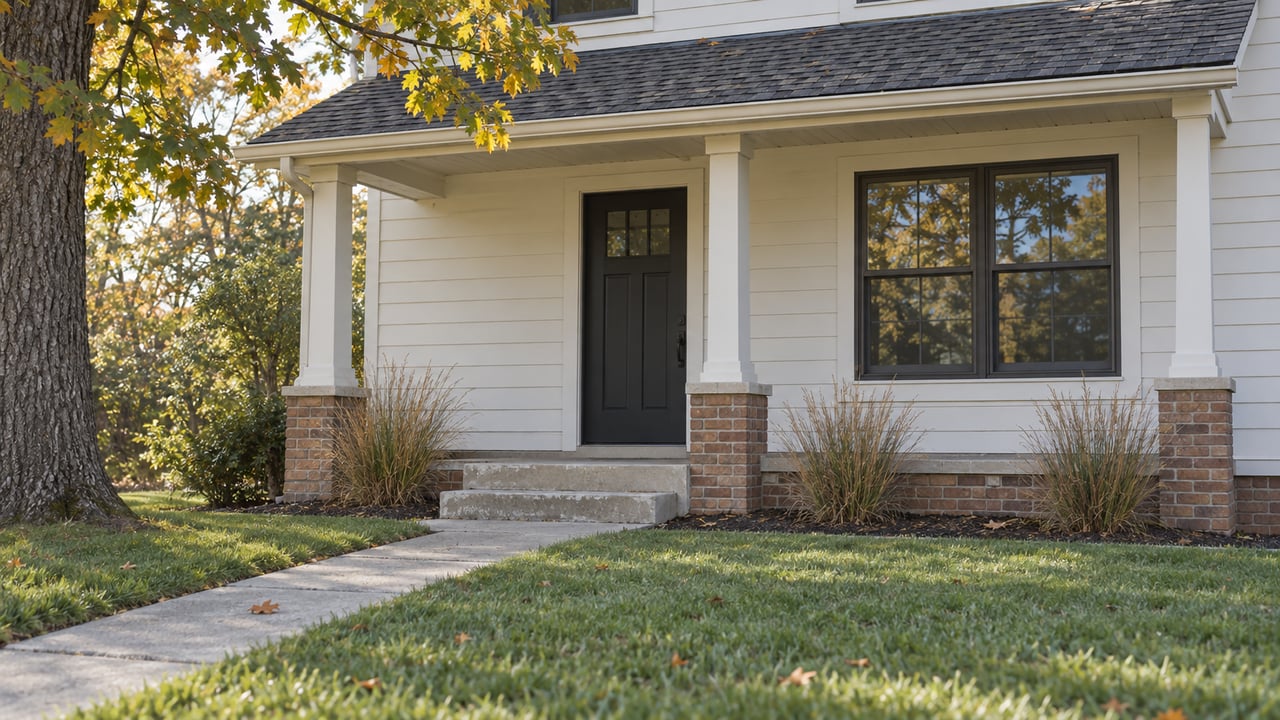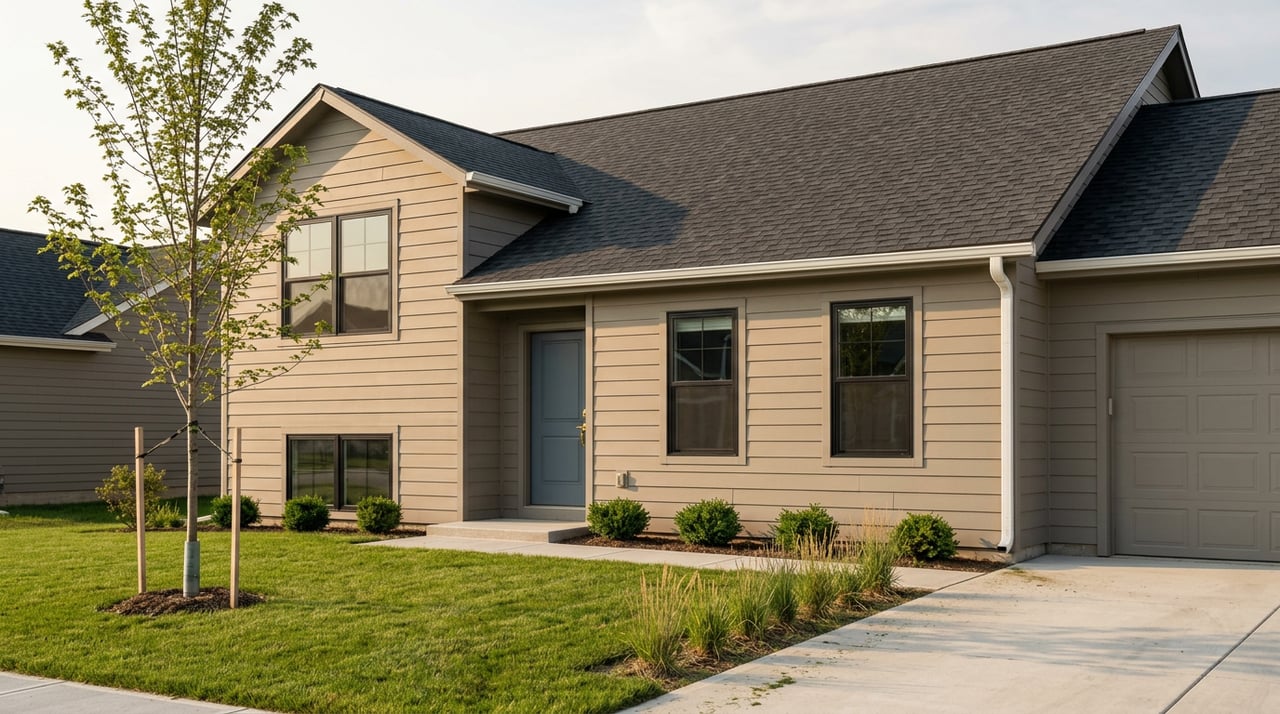
Picture two homes priced within a few thousand dollars of each other. One sits near downtown, close to the Capitol. The other was built in the last twenty years, out in one of Lincoln's newer growth pockets. Same price range, same general size on paper. The property tax bill on the newer home can run over $4,000 a year higher than the one downtown, and the sale price has almost nothing to do with why.
That gap is not a fluke or a data error. It is the visible edge of how Lincoln pays for the streets, sidewalks, and sewer lines under new subdivisions, and it changes what a "good deal" actually costs a buyer once you look past the list price.
The Same City, Two Very Different Bills
Lincoln's property tax picture is not one number. Across the city's ZIP codes, annual bills for a similarly valued home have ranged from roughly $2,270 in 68508, the older downtown and Capitol-area core, up to about $6,508 in 68520, one of the city's newer, higher-growth ZIP codes, according to property tax data compiled by Ownwell. The citywide median annual bill sits at $3,385, which means both of those ZIP codes are outliers in opposite directions, not typical cases.
The same pattern shows up in effective rates, not just dollar totals. Homeowners in 68517 carry a median effective property tax rate around 1.00%, while those in 68522 sit closer to 1.39%. That spread within a single city points to something more specific than "some neighborhoods just cost more." School district levies explain part of it. The rest comes from special assessment districts, which, according to the Nebraska Legislature, are layered onto the base tax bill and vary block by block depending on what infrastructure was financed there and when.
According to PropertyChecker, Lancaster County collects property taxes twice a year, on April 1 and August 1. A buyer comparing two listings by sale price alone may not account for that line item when comparing ownership costs.
What a Special Assessment Covers
A special assessment district is how Lincoln pays for the street in front of a new subdivision, the sidewalks, the storm drainage, sometimes water and sewer extensions. Nebraska law lets a city council levy that cost directly against the benefiting properties as a separate tax, in addition to the general property tax, and place it on the tax roll for collection. The property owner does not have to pay it all at once. State statute allows the balance to be paid off in installments with interest, or paid in full at any point before it's retired.
That installment structure is exactly why a newer subdivision can carry a heavier tax bill than an older one with a similar home value. The older neighborhood's streets and sidewalks were paid off decades ago. The newer one is still retiring the bond that built its infrastructure, and every owner on that block is contributing to the payoff on a schedule that has nothing to do with what any individual house is worth.
Lincoln's own infrastructure spending shows the other side of this coin. The city's fiscal year 2025-2026 transportation budget runs close to $53 million, with about $18 million of that coming from Lincoln on the Move, the quarter-cent sales tax dedicated to streets. That money funded maintenance-level work in established neighborhoods like Ballard Park, Highlands North, Rousseau, Pyrtle, and Eastborough. Everyone in the city chips in through sales tax, and no individual homeowner in those older areas sees a separate assessment line for it. New subdivisions don't get that treatment. The infrastructure that makes a new subdivision buildable in the first place is financed up front, and the households living there pay it back directly.
City officials have been candid about this trade-off in public testimony. During a legislative hearing earlier this year, as the Nebraska Examiner reported, Lincoln's David Cary said the city had historically opposed similar financing bills but backed this one because it saw "additional opportunities for growth." That comment came up specifically because state lawmakers were debating a new financing tool, one that matters for anyone watching how Lincoln's newer neighborhoods get built out from here.
Why Lincoln's Newest Neighborhoods Cost More to Own
Lincoln's newest residential growth has not landed in one corner of the city. It has shown up on more than one edge at once, and each pocket tells a version of the same story. In southwest Lincoln, along the Yankee Hill Road corridor, subdivisions like Wilderness Ridge, Wilderness Crossing, and Wilderness Heights brought new construction to what was once rural, gravel-road country. In northwest Lincoln, Fallbrook broke ground in 1999 as a master-planned, New Urbanism-influenced community. Separately, ZIP 68520 has the highest median home value in the city, at $456,400, with most of its housing stock built in the 2000s or later. Sale prices in the Yankee Hill corridor have averaged in the mid-$350,000s over the past year.
None of that is a coincidence next to the tax bill data. Newer construction anywhere in Lincoln tends to mean a newer special assessment district, and a newer district means the bonds that paid for the streets and sidewalks are likely still being retired. A buyer comparing a listing in Wilderness Ridge, or a home in a ZIP code like 68520, against a similarly priced house in an older, closer-in neighborhood is not just comparing square footage and finishes. They may be comparing a house that finished paying off its infrastructure years ago to one that has a decade or more left on the meter.
The Legislature Just Tried a Different Fix
Nebraska lawmakers spent this year wrestling with a related but distinct version of this same tension, and the result became law over the summer. Governor Jim Pillen signed the Community Improvement District Act, known as LB 1114, in a ceremony in Blair on June 22, 2026. The law creates Community Improvement Districts, zones inside a city's limits where property owners can tax themselves to fund infrastructure, similar in spirit to the Sanitary Improvement Districts Nebraska has used since 1949. The Legislature created SIDs that year after returning World War II veterans drove a surge in housing demand that outpaced the infrastructure many communities had in place. The key difference is that SIDs only work outside city boundaries, while CIDs are built for growth happening inside them.
Blair's pilot project, a 137-unit development called Bear Creek, illustrates the trade the law is designed to offer. Developer estimates put a homebuyer's upfront lot cost at roughly $65,000 under the CID structure versus $100,000 without it, with homes expected to start around $320,000. In exchange, homeowners pay a CID tax based on their property value until the bond backing that infrastructure is repaid. It is the same basic bargain Lincoln's special assessment districts already strike: lower upfront costs, higher ongoing tax obligation, for as long as the underlying debt is outstanding.
Lincoln has not designated a CID project yet, but the city's own comments during the legislative hearings make clear it is watching this tool closely as a way to keep growth affordable on the front end. For a buyer today, the practical takeaway is not about CIDs specifically. It's that the entire debate in Lincoln right now, at the city council level and the state legislature, is about who pays for new infrastructure and when. That conversation shows up on your tax bill whether or not you ever hear about it happening in Blair or at the Capitol.
What This Means If You're Comparing Two Lincoln Listings
A list price tells you what the seller wants. It does not tell you whether the house sits inside an active special assessment district or how many years are left on it. That information exists, and it is worth asking for before you write an offer, not after you close.
A few concrete questions worth raising with a listing agent or your title company on any Lincoln property, especially new construction:
- Is there an outstanding special assessment balance on this property, and what is the current annual installment?
- How many years remain on the payoff schedule?
- Can the remaining balance be paid off at closing instead of carried forward, and what would that cost?
- Does the property sit within a ZIP code, like 68520, where recent construction suggests active assessment districts are common?
None of this shows up cleanly on a portal listing. It shows up in county records and on a title company's assessment search, and it's exactly the kind of detail that changes a monthly payment comparison between two houses that looked identical on paper.
A Few Straight Answers
Does a higher special assessment mean the house is a bad deal? Not automatically. It means part of the cost of owning that home is being paid over time instead of upfront through a higher price. Whether that trade works in your favor depends on how many years are left on the assessment and how it compares to what you'd pay for a similar home without one.
Can I find out about a special assessment before making an offer? Yes. A title company can pull the special assessment balance and payoff schedule as part of due diligence, and the City of Lincoln's Transportation and Utilities department maintains records on active assessment districts.
Every one of these numbers changes depending on which specific address you're looking at, and that's the whole point. If you're comparing two Lincoln listings right now and want someone to pull the actual assessment picture before you write an offer, Randy Ralston can walk through it with you. Let's Connect.
This article is general information, not legal, tax or financial advice. Consult a qualified professional about your situation.